


Healthy Snacks That Keep You Full


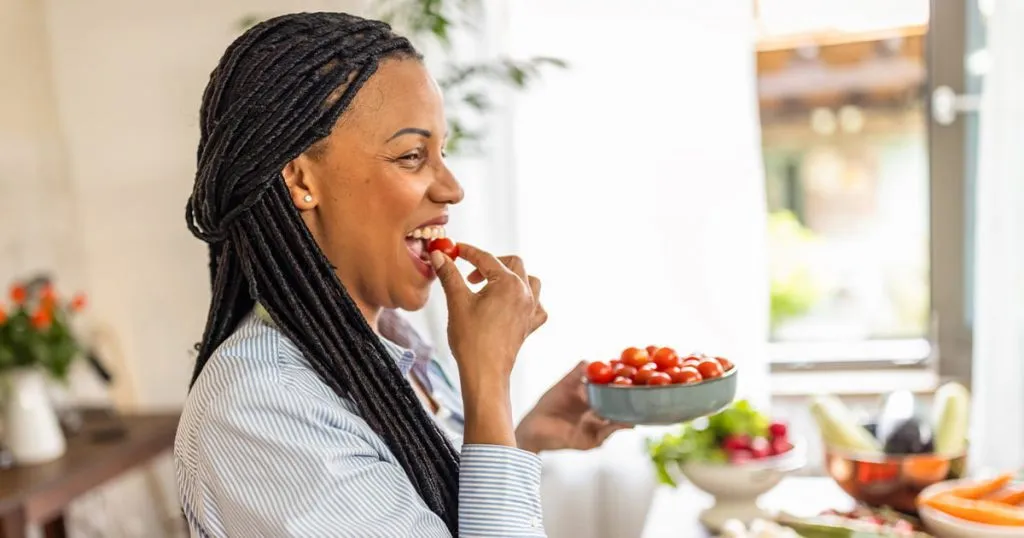
Healthy snacking supports steady energy, appetite control, and long-term weight and metabolic health. Practice smart snacking by incorporating protein, fiber, and produce-based whole foods into your diet, along with portion control, nutrient pairing, and mindful eating habits.
Snacking itself is not unhealthy. Healthy snacking can even be good for you. All you need to do is make smart choices about what you snack on. This means choosing heart-healthy foods over junk foods and practicing portion control.
Key takeaways:
Healthy snacks combine protein, fiber and healthy fats
Snacks can help maintain energy and prevent overeating at meals
Simple, whole-food options are often the most nutritious
Planning ahead can make healthy snacking easier
Balanced snacks can help you feel full longer
What is a healthy snack?
A healthy snack is one that provides nutrients your body needs while helping you stay satisfied until your next meal.
In most cases, a nutritious snack includes:
Protein to support muscles and keep you full
Fiber to support digestion and steady energy
Healthy fats for longer-lasting satisfaction
Minimal added sugars and highly processed ingredients
A snack does not need to be complicated. It can be as simple as pairing two whole foods together, like fruit and nuts. According to Dr. Beth Belanger, VP and Medical Director for Mutual of Omaha, the most satisfying snacks are often the ones that take longer to digest. “Foods that are higher in protein, complex carbohydrates, fiber, or healthy fats digest more slowly and take up more space in your stomach,” she explains. That slower digestion can help you feel full longer and provides steadier energy between meals.
What makes a snack healthy?
A snack is generally considered healthy when it helps support your overall eating pattern, rather than working against it.
Look for snacks that:
Include at least one whole food (fruit, vegetables, nuts, seeds, dairy or whole grains)
Offer a mix of nutrients, not just carbohydrates
Are portion-aware, so you feel satisfied but not overly full
Fit into your daily routine in a sustainable way
For many people, balance matters more than perfection.
Why healthy snacks are important
Healthy snacking can help support your daily routine in a few practical ways:
Steady energy: Prevents long gaps between meals that can lead to fatigue
Better portion control: Helps reduce overeating at meals
Nutrient intake: Adds opportunities to include fiber, protein and vitamins
Consistent habits: Makes it easier to maintain a balanced eating pattern
As people move through different life stages, maintaining simple, consistent habits like balanced snacking can help support overall well-being.
20 healthy snack ideas packed with nutrients
The next time you get hungry between meals, instead of reaching for a soda or candy bar, try one of these 1healthy snack options that are packed with protein, fiber and healthy fat.
Eggs: High in protein and nutrients, eggs help keep you full longer and support muscle health; enjoy boiled, scrambled, or paired with vegetables
Nuts: Almonds, walnuts, and peanuts provide healthy fats and protein for sustained energy; choose unsalted varieties for a healthier option
Greek yogurt: A high-protein snack that supports satiety and gut health; plain varieties are best with fruit added for natural sweetness
Cheese: A good source of protein and calcium that helps curb hunger; choose natural, lower-sodium cheeses and watch portion size
Avocado: Rich in healthy fats, fiber, and key nutrients like potassium that support heart health and fullness1
Hummus and vegetables: Chickpeas provide fiber and plant-based protein, making this combo a nutrient-dense, filling snack
Dark chocolate: Contains antioxidants and less sugar than milk chocolate; choose varieties with higher cocoa content for a healthier treat2
Apple: Naturally rich in fiber, vitamin C, and antioxidants, supporting digestion, hydration, and steady energy
Cottage cheese: High in protein and versatile for both sweet and savory toppings, supporting satiety and muscle health
Popcorn: Air-popped popcorn is a high-fiber whole grain snack that supports fullness when prepared without excess butter or salt
Oatmeal: A whole grain rich in soluble fiber that helps support steady energy and appetite regulation
Bananas: A potassium-rich fruit that supports energy production and muscle function
Roasted chickpeas: A crunchy plant-based snack rich in fiber and protein that supports digestion and fullness
Pumpkin seeds: A nutrient-dense seed rich in magnesium, healthy fats, and plant-based protein for sustained energy
Red bell peppers: A vitamin C-rich vegetable that supports immune health and provides a low-calorie, hydrating snack option
Nutrient-rich smoothie (banana and spinach): A blended option that supports muscle health and satiety when made with balanced ingredients
Seaweed snacks: A low-calorie, mineral-rich snack that provides iodine to support metabolic health
Dates: A naturally sweet fruit rich in fiber that provides quick but steady energy
Sunflower seeds: A source of healthy fats, vitamin E, and protein that supports heart health and satiety
Strawberries: A fiber-rich fruit high in antioxidants that supports digestion and helps maintain fullness between meals
Making these swaps helps regulate your energy throughout the day.
Low Carb Snack Ideas
Choosing lower-carb snacks can help support steadier blood sugar levels, reduce cravings, and promote long-term metabolic and heart health, benefits that become increasingly important for maintaining wellness as you age. Try these low carb snack ideas:
Beef jerky (low-sugar varieties)
Olives
Pickles
Smoked salmon slices
Deli turkey roll-ups (no bread)
Mozzarella cheese sticks
Hard cheese cubes (cheddar, gouda)
Zucchini chips (baked, unsalted)
Radishes
Boiled shrimp
Dr. Manoj Pawar, Chief Medical Officer at Mutual of Omaha, says, “Be cautious of ‘healthy’ substitutes; for example, some low-carb products replace sugar with alternatives that may be high in saturated fat that can strain the heart.”
Healthy Protein Snack Ideas
Protein-rich snacks help support muscle maintenance, appetite control, and long-term strength, key factors in preserving mobility, energy, and overall health as you age.
Tuna packets (in water)
Chicken breast slices
Collagen protein shake (unsweetened)
Egg whites (pre-cooked)
Parmesan crisps
Ricotta cheese (low-fat)
Soy milk (unsweetened)
Chickpeas
Edamame
Snacks High in Fiber
Fiber-rich snacks help support digestive health, promote fullness, and contribute to heart health by helping manage cholesterol levels and blood sugar stability. As Dr. Pawar explains, “Think of fiber as a sponge; it soaks up cholesterol in the gut and prevents it from being reabsorbed back into your bloodstream.”
Apple slices with nut butter
Pear slices
Raspberries
Blackberries
Carrot sticks
Celery with hummus
Whole grain crackers
Chia pudding
Healthy snacks for weight loss
Healthy snacks can fit into a weight loss plan when they are balanced and portion-aware. This is particularly important because obesity is linked to many health problems, such as diabetes, heart disease, high blood pressure, and even cancer.3 By choosing the right fuel, you can better manage your weight and long-term wellness.
Helpful tips:
Choose snacks with protein and fiber to stay full
Avoid highly processed, high-sugar options
Pay attention to portion sizes
Eat when you are hungry, not out of habit
A consistent routine tends to work better than restrictive approaches. Dr. Pawar explains, “Small, steady wins are far more effective than trying to overhaul your entire lifestyle overnight and feeling defeated.”
Tips for healthy snacking
Even with the best intentions, it’s easy to slip into unhealthy habits. These tips on including healthy habits into your daily routine can help keep snacking both satisfying and balanced:
Plan ahead: Pre-portion snacks into containers or bags to reduce overeating and make healthier choices more convenient
Check labels carefully: Packaged snacks may be highly processed or contain added sugars, even when labeled as “healthy”
Be mindful of portions: Keep snacks generally within 200–300 calories to support balanced energy intake
Pair fiber and protein: Combine foods like fruit and nuts or vegetables and hummus to stay full longer and stabilize blood sugar. Dr. Pawar advises, “When increasing fiber intake, go slowly to avoid bloating, and be sure to drink a lot of water to help the fiber move through your system.”
Stay hydrated: Drink water regularly since thirst is often mistaken for hunger, a common scenario that Dr. Belanger notes can lead people to "feel unsatisfied and ultimately eat more calories than their body needs because what their body is really asking for is water."
Avoid distractions: Eat without screens when possible to better recognize fullness cues and prevent overeating
Dr. Pawar also suggests shopping “the perimeter of the grocery store, where you typically find fresh fruits, vegetables, fish, and lean meats rather than processed foods.”
Smart snacking can be a practical way to support a healthier routine. Choosing snacks with protein, fiber or healthy fats may help manage hunger between meals and make it easier to stay on track with balanced eating habits. As Dr. Pawar explains, “Don’t feel defeated by big goals; it’s about making choices that are sustainable for your individual life and needs.” Small choices repeated over time can add up.
At Mutual of Omaha, we’re dedicated to supporting your most valuable asset, your health. From personalized guidance to practical wellness tools, we’re here to support you at every step of your health journey.
Support your health planning with the next right step
Healthy habits, including the foods you choose each day, play an important role in how you feel now and how you plan for the future. Exploring your Medicare options can help ensure you have the coverage and support to maintain those habits with confidence.
Frequently asked questions (FAQs)
Can healthy snacking help me lose weight?
Yes, healthy snacking can help support weight loss as part of a balanced diet. Snacks that are portioned and planned tend to work best, as they reduce the temptation to grab whatever is at hand. Consistency matters more than perfection. Before starting any diet for weight loss, always be sure to consult with your doctor.
What are the best snacks for energy?
Nutritious snacks that combine slow-digesting carbs with protein or healthy fat are often the most sustaining. For example, a small wrap with turkey, apple slices with a thin layer of nut butter or roasted chickpeas can give you steady energy without the mid-afternoon slump.
How can I avoid overeating while snacking?
Try pausing before reaching for food and asking if you’re truly hungry or just restless. Keeping healthier snacks visible and less nutritious ones out of sight also makes a difference. For some, scheduling a designated “snack time” rather than grazing throughout the day helps bring more structure to their eating habits.
What is the healthiest thing to eat for a snack?
The healthiest snacks combine protein, fiber, and healthy fats from whole foods, such as fruit with nuts, Greek yogurt, vegetables with hummus, or hard-boiled eggs, helping support satiety and steady energy levels based on recent nutrition guidance
What are good snacks for gastritis?
Good snacks for gastritis are low-fat, low-acid, and easy to digest, such as bananas, oatmeal, plain yogurt, whole grain crackers, and cooked vegetables.
Sources:
Medical News Today, Avocado: Nutrition, Benefits, and More, July 2025
Healthline, 7 Proven Health Benefits of Dark Chocolate, May 2025
Centers for Disease Control and Prevention (CDC), How Overweight and Obesity Impacts Your Health | Healthy Weight and Growth | CDC, December 2025

Reviewed by: Dr. Beth Belanger, ABIM
VP& Medical Director, Mutual of Omaha
Dr. Belanger is double board-certified physician in internal medicine and infectious diseases. Professionally, she enjoys disease prevention, including communicable diseases. She loves teaching all levels of learners, from the general public to medical colleagues about infectious diseases. In her free time, she enjoys baking, swimming, walking her dog, and traveling with her husband.
Suggested content for you in Health & Well-Being
-
6 Best Foods for a Brain-Healthy Diet
-
Is Keto Diet Safe for Older Adults?
-
How Much Water Should You Drink a Day?
-
What Foods Can Help Lower Blood Pressure?
-
Clean Eating for Long-Term Health and Energy
-
Foods High in Magnesium and Potassium for Blood Pressure
-
What is a heart healthy diet?
-
What Does Fiber Do For the Body?
-
Fiber Rich Foods for Gut Health
-
What Foods Can You Include in a Low-Fiber Diet?
Explore other topics
Eating Well
Is Keto Diet Safe for Older Adults?Medicare Parts & Plans
Medicare Supplement Plan G vs. Plan N: Which One’s Best for You?Traveling in Retirement
Top 5 Cities for Seniors to Retire All Categories
 Medicare
 Retirement Planning
 Business Resources
 Life Insurance
 Financial Planning
 Health & Well-Being
 Travel & Living