


A Guide to Dying Well
Underwritten by United of Omaha Life Insurance Company



Conversations about dying can be difficult, but they can be necessary to help ensure a person’s final wishes are honored. End-of-life planning may offer some peace of mind for individuals and their families.
Dying well, or the intentional, dignified approach to end-of-life planning that can bring some peace of mind to both individuals and their loved ones, is a concept that has long been missing from our cultural conversation. For generations, death has been treated as something to fear or avoid discussing, and as end-of-life care has shifted from the home to hospitals and nursing homes, the idea of planning for a meaningful, self-directed passing has become something that many people may not have considered.
People can make thoughtful plans for how they want to be cared for, how they want to be remembered and how they can provide for the people they love after they are gone. Dying well is not about dwelling on death; it can be about reducing uncertainty, honoring your values and giving your loved ones the gift of clarity during a challenging time. Embracing this approach can help what you plan today make a difference for tomorrow.
In this article:
The most important conversation you're not having
Planning final wishes as part of dying well
Important documents that support dying well
Medical care decisions at the end of life
The most important conversation you're not having
A powerful step toward dying well can also be one of the hardest: starting the conversation. Some families may find themselves facing impossible decisions at the bedside of a loved one, without any guidance about what that person would have wanted. The weight of that uncertainty can transform a challenging time into one of guilt, conflict and regret. Having honest conversations about end-of-life wishes before a crisis arises can be a loving and practical gesture a person can make for themselves and for the people they leave behind.
How to have conversations about end-of-life
As a Pulitzer Prize-winning journalist and newspaper columnist, Ellen Goodman is an expert at questioning people. She knows how to engage in conversation to get to the heart of things. But it wasn’t until her mother was days away from dying and unable to communicate, after Goodman had spent years as her caretaker as she experienced Alzheimer’s disease, that it struck Goodman: She had never asked her mom how she wanted to live out her final days.

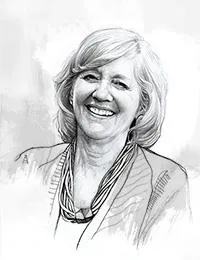
Decisions for which I was wholly unprepared. I realized only after her death how much easier it would have all been if I heard her voice in my ear as these decisions had to be made. If only we had talked about it.
End-of-life discussions are something most of us would rather not face. Talking about how we die, from the type of care we want in our final days, to what type of final arrangements we want, to planning for our death and afterward, is something our culture has avoided for generations. But a growing number of movements are springing up to change that, driven by the notion that the value of these conversations far outweighs the discomfort.
The Conversation Project
Goodman’s experience with her mother led her to create The Conversation Project, a nonprofit that encourages people to start the conversation about end-of-life wishes now, before it’s too late. “We believe that the place for this to begin is at the kitchen table, not in the intensive care unit, with the people we love,” The Conversation Project says on its website.
The Conversation Project is a global initiative aimed at changing the fact that “too many people die in a manner they would not choose, and too many of their loved ones are left feeling bereaved, guilty and uncertain.” It is designed so that either elderly parents or adult children can initiate the conversation. Either way, it can help both parties overcome the awkwardness and fear around end-of-life care decisions.
The starter kit breaks the conversation process into four steps
The Conversation Starter Kit is a free, downloadable guide. Having a step-by-step plan can naturally lead from one topic to the next, so you can cover everything you intend to. We’ve created the following steps to guide you through your conversations while keeping things light and positive.
-

Step 1: Reflect on your values and personal beliefs about dying well
Taking time to reflect on your values can help clarify what a dignified end-of-life experience means for you. Good topics to think about include quality of life, spirituality and your feelings about maintaining your independence. By forming your thoughts beforehand, your definition of dying with dignity may come into focus. This may help you communicate your thoughts to your loved ones more easily.
-

Step 2: Organize legal and planning documents for end-of-life decisions
End-of-life documents can be legally binding. By organizing key documents and providing instructions ahead of time, you can help reduce stress during difficult times. It can also help your loved ones know where you keep your will and other legal documents so they can find them easily.
It can be a good practice to review the beneficiaries on your life insurance policies every year to be sure they match your intentions.
Overall, good organization may help your family members avoid conflict and confusion.
-

Step 3: Discuss medical and life care preferences with loved ones and health care providers
Talking about your medical care preferences can help your loved ones follow through on your wishes. According to Pew Research, only 66% of people have discussed their medical care preferences with loved ones if they can’t decide for themselves.(1)
Discussions may help your loved ones make capable, confident decisions during an emergency or ongoing medical situation. Possible topics might include treatments, life support, mental health and comfort-focused care. Health care providers can help present the facts. Clear communication can help everyone involved prepare to support you.
-

Step 4: Regularly review and update your end-of-life plans as circumstances change
Starting the conversation may not be a one-time event. The questions in this section are designed to help you reflect on how your initial discussion went, what felt comfortable and what you may want to revisit or explore more deeply in future conversations. Plans may need to evolve as health conditions, family dynamics or life circumstances change. Returning to these conversations regularly helps ensure your wishes remain current and that your loved ones have the clarity and guidance they need.
Financial planning for both end-of-life and after-death needs can also be emotionally fraught. Many people want to provide for their loved ones and help protect them from the financial impact of a funeral but don’t have a plan in place. So, any end-of-life conversation should include finances, which may include life insurance. Life insurance funds can help loved ones pay monthly living expenses and pay off debts, including funeral expenses. They can also help send a child to college one day, continue a family business or leave a legacy for your favorite charity.
Why talking matters
Talking about end-of-life matters because it takes away much of the discomfort and confusion surrounding a serious health event. Emotions can run high at such times. When a crisis happens, critical health decisions may need to be made quickly.
By discussing health care and memorial decisions in advance, you can make decisions with some confidence. Being on the same page can allow your loved ones to support you in the way you need them to.
Consider the facts
Medical advancements have helped increase life expectancies, yet some people aren’t necessarily enjoying good health, according to Mayo Clinic. On average, people in the United States live with disability or sickness for about 12 years.(2)
The National Alliance for Care at Home says 25% of people living with Alzheimer’s disease need hospice care. Nearly 75% of hospice patients have cancer or circulatory disease diagnoses.(3)
The emotional aspect of end-of-life planning is also important. An article from Johns Hopkins Medicine notes that “it’s normal for both the dying person and the survivors to experience grief.” On a positive note, the article adds, many people facing death are willing to discuss issues about death and dying.(4)
Planning final wishes as part of dying well
Planning for your final wishes can be a meaningful gift that reduces uncertainty. At the same time, it helps ensure that final decisions reflect your values and priorities.
Here are some things to consider in end-of-life planning:
Legacy: Determine how you want your loved ones to carry on your legacy (e.g., charitable gifts, writings, videos and traditions).
Funeral/celebration of life: Specify wishes for funeral planning, burial arrangements, cremation or a celebration of life, including final expense planning.
Personal effects: Leave instructions for distributing your treasured belongings.
Spiritual guidance: Clarify how you would like spiritual leaders, religious or memorial services, and meaningful music to be included in honoring your life.
Our final expense calculator can help you plan for final expenses according to your wishes.
Important documents that support dying well
Certain legal documents can help outline your intentions. Websites are available if you wish to create them yourself. Alternatively, an estate planning attorney can help you with the process. Our end-of-life planning tool is another helpful resource.
Organizing documents ahead of time can help prevent conflict and create a more peaceful experience for everyone involved.
The following documents form the foundation that supports dying well in ways that honor your personal values.
Last will and testament: Outlines how to distribute your assets as part of your estate plan.
Durable power of attorney: Appoints someone to make medical choices for you if you can’t.
Advance directive/living will: States the medical treatments you want and don’t want if you’re terminally ill or unconscious (e.g., ventilator or feeding tube).
HIPAA release: Allows your family members to access your medical records and discuss your medical situation with providers.
Bank accounts/investments/pensions: Provides contact information and account numbers for legacy accounts.
Life insurance: Gives the policy number, contact information and names of beneficiaries for life insurance policies.
Medical care decisions at the end of life
Medical care decisions at the end of life may include choices about life-sustaining treatments such as ventilators, feeding tubes or resuscitation. By communicating your wishes, you can share whether you want certain medical interventions or comfort-focused life care.
Your end-of-life plans can provide direction to health care providers and others during emotionally charged moments.
Making plans for the future of your family
Talking about death and end-of-life decisions may feel uncomfortable. From talking about the type of care you want in your final days to the type of final arrangements you want and how you want people to remember you, it’s all part of the plan for dying well.
Life insurance can be one way to help financially provide for your loved ones after you die. Contact an agent or producer from United of Omaha Life Insurance Company, a Mutual of Omaha company, who can help you find the right policy for your situation.
Frequently asked questions (FAQs)
1. When should someone start planning for the end of life?
You can start planning your end-of-life wishes at any age. Consider starting your end-of-life planning when you are healthy and of sound mind.
2. How does palliative care or hospice support the goal of dying well?
Palliative and hospice care can help support dying well by focusing on holistic comfort. They can help relieve physical pain and support patients and their families by providing education and emotional and spiritual care.
3. How often should I review my end-of-life plans?
Generally, every one to three years. You may also want to review your will and life insurance needs anytime you have a major life change, such as divorce or the death of a spouse or partner.

Subscribe for the latest articles, financial calculators and resources
Sources
(1) Pew Research, Experiences With Estate Planning and Discussing End-of-Life Preferences, November 6, 2025.
(2) Mayo Clinic, The Global Divide Between Longer Life and Good Health, December 11, 2024.
(3) National Alliance for Care at Home, 2024 NHPCO Facts and Figures Report Now Available, September 10, 2024.
(4) Johns Hopkins Medicine, Grief and Loss, 2026.
Suggested content for you in Life Insurance
-
Navigating Life Insurance and Divorce: A Complete Guide
-
How Life Insurance and Retirement Planning Work Together
-
Is Life Insurance Part of Your Financial Portfolio?
-
Funeral Fundraisers: What’s Involved and Is It Worth the Risk?
-
5 Mistakes to Avoid When Shopping for Life Insurance
-
Life Insurance Facts: Debunking the Myths
-
How Does Life Insurance Work?
-
Life Insurance Awareness Month
-
What to Look for in a Life Insurance Policy
-
How to Create a Will: A Step-by-Step Guide
Explore other topics
Eating Well
Is Keto Diet Safe for Older Adults?Medicare Parts & Plans
Medicare Supplement Plan G vs. Plan N: Which One’s Best for You?Traveling in Retirement
Top 5 Cities for Seniors to Retire All Categories
 Medicare
 Retirement Planning
 Business Resources
 Life Insurance
 Financial Planning
 Health & Well-Being
 Travel & Living